Where to Live in Thailand: Every Area Compared
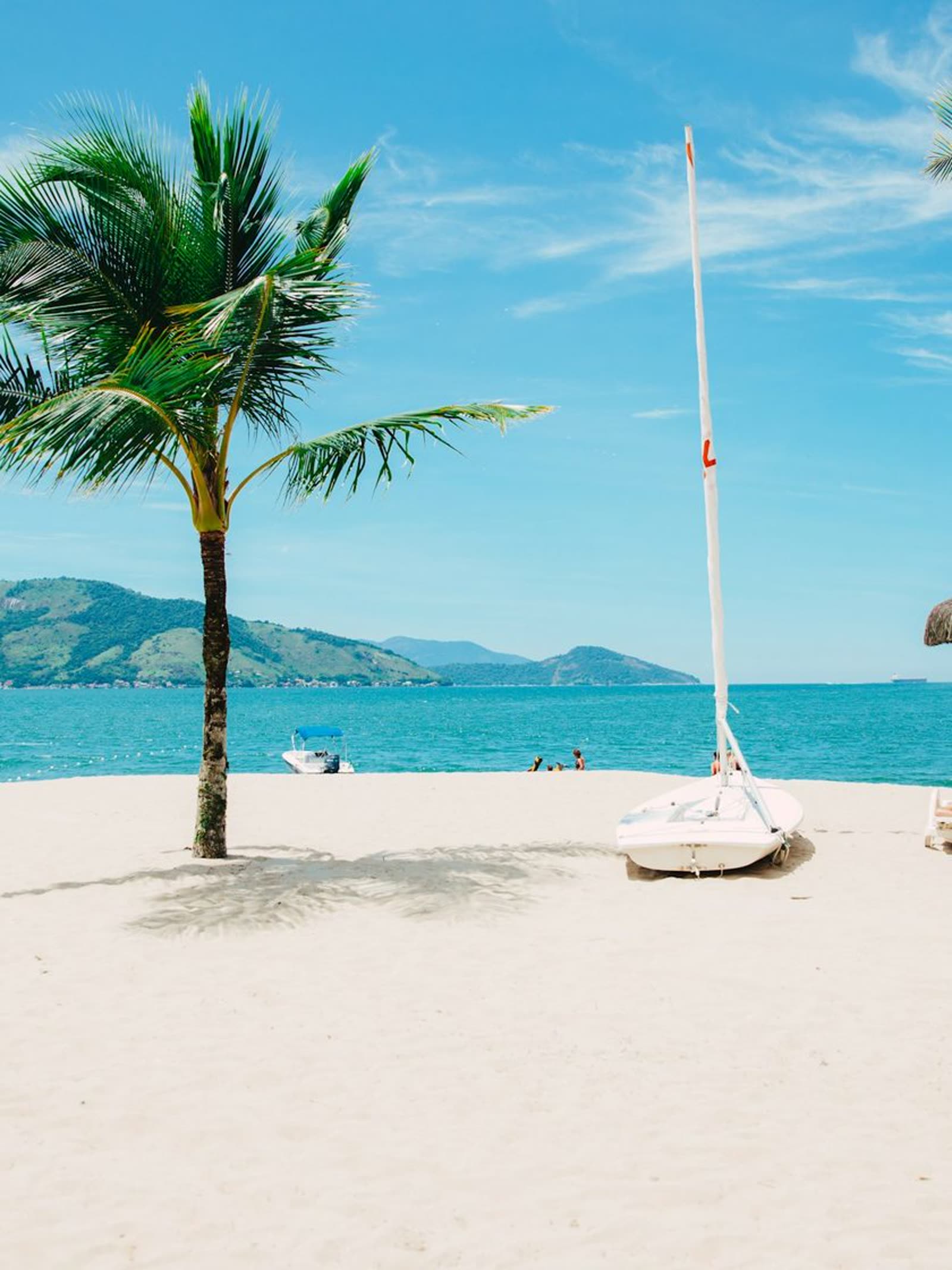
Choosing where to live in Thailand is really choosing which Thailand you want: a capital of 11 million, a resort island, a mountain city of temples and cafés, or a beach town that empties by 9 pm. People who pick on holiday memories often pick wrong. Here is an honest comparison of the six bases that matter, by the profiles that actually move here.
The map in one table
| Base | Best for | 1BR rent (USD) | Watch out for |
|---|---|---|---|
| Bangkok | Careers, nomads, medical access | 500-1,000 | Heat, air quality, intensity |
| Phuket | Families, investors, beach life with services | 500-1,000 | Traffic, seasonal crowds, prices |
| Koh Samui | Retirees, villa investors, slower pace | 500-900 | Island logistics, Oct-Dec rain |
| Chiang Mai | Budget nomads, culture, long stays | 300-600 | Burning season Feb-Apr |
| Hua Hin | Retirees, families wanting calm | 350-700 | Quiet nightlife, fewer flights |
| Koh Phangan | Nomads, wellness crowd, low budgets | 350-700 | Ferry dependence, small hospital |
Bangkok: the capital nobody plans to love
Most people arrive planning to escape Bangkok and end up respecting it. It has the best hospitals in Southeast Asia, the best food scene in the country at every price, real career and business opportunities, and the BTS makes daily life carless. Nomads cluster in Ari and On Nut, professionals in Sathorn, the international crowd along Sukhumvit, in Phrom Phong and Thonglor. The trade: heat radiating off concrete, air quality dips in the cool season, and a pace that some find electric and others exhausting. Rent 500 to 1,000 dollars for a modern one bedroom near transit.
Phuket: the full-service island
Phuket is the only island with big-city infrastructure: an international airport, international schools, Bangkok Hospital Phuket, marinas, malls. Families gravitate to Bang Tao and the west coast for schools and beach clubs, retirees to Rawai in the south, couples to Kamala, and anyone allergic to resort energy to the genuinely charming Old Town. It is also Thailand's most liquid property market for foreigners. The trade: worsening traffic, high-season crowds from November to March, and the highest island prices in the country.
Koh Samui: villas and slow mornings
Samui runs a step slower than Phuket and suits people who want villa life more than nightlife. Bophut and its Fisherman's Village are the polished heart, Maenam is the quiet north coast favourite where villa money goes furthest, Lamai is the relaxed south-east alternative, and Chaweng holds the airport, the crowds and the noise. The island has a Bangkok Hospital branch and direct flights, but serious medical cases still get referred to the mainland, so evacuation cover matters; see our insurance guide. Its rain peaks October to December, opposite the Andaman side. For investors, Samui currently offers better yield math than Phuket at lower entry prices; the Beausoleil collection in Maenam we feature starts at 2,700,000 THB with managed rental.
Chiang Mai: the thinking nomad's base
Chiang Mai remains the best cost-to-quality ratio in Thailand: 300 to 600 dollars rents, a dense café and coworking scene in Nimman, temples and mountains at the doorstep, and a calmer, more Thai daily life. Families and long-stayers favour Hang Dong, south of town, for houses and international schools. The honest caveat is the burning season: from late February to April, agricultural fires push air quality to genuinely unhealthy levels, and many residents simply leave for those weeks. No beach, obviously.
Hua Hin: the quiet achiever
Three hours from Bangkok by car, Hua Hin is where Thai royalty and pragmatic retirees both settled. It offers golf courses, good hospitals, walkable markets, a long swimmable beach and villa prices well below the islands, with the capital's airports within reach. Nightlife is minimal and the crowd skews older; for many retirees that is precisely the point.
Koh Phangan: beyond the Full Moon
The party island label hides one of Asia's biggest wellness and remote work scenes, concentrated around Sri Thanu on the west coast: yoga studios, coworking spaces, a young international crowd, and rents 20 to 40 percent below Samui next door. The trade-offs are structural: everything arrives by ferry, the hospital is small and serious cases go to Samui or the mainland, and infrastructure is a step rougher. Brilliant for a season or a year; test it before committing longer.
Matching base to profile
- Digital nomads: Chiang Mai for budget and community, Bangkok for energy and flights, Koh Phangan for the tropical version. More in working remotely from Thailand.
- Families: Phuket's west coast or Hua Hin, with Bangkok if careers demand it. Compare school fees first: 5,000 to 20,000 dollars per child per year moves the whole decision.
- Retirees: Hua Hin and Samui lead, Rawai in Phuket close behind. Weigh hospital distance honestly.
- Investors: Phuket for liquidity, Samui for yield, Bangkok condos for the long game. Start with buying property in Thailand.
Shortlist your base properly
The free Thailand Handbook includes a base-picker matrix scoring all six locations on 12 criteria, from hospitals to schools to air quality, plus the budget worksheet for each.
Get the free handbookFrequently asked questions
Which base is best for a first six months?
Chiang Mai if budget and community matter most, Phuket if you need beach plus infrastructure, Bangkok if you cannot sit still. Many people do a split: cool season November to February on an island or in Chiang Mai, then reassess before the hot season hits in April.
Where do the seasons matter most?
Chiang Mai's burning season, roughly late February to April, is the single biggest seasonal factor in the country. On the coasts, the Andaman side (Phuket) is wettest May to October while the Gulf (Samui, Phangan) concentrates its rain October to December. None of it stops daily life, but it should steer when you visit to decide.
Can I live in Thailand without a car or scooter?
In Bangkok, easily: BTS, MRT and ride apps cover it. In Chiang Mai and Hua Hin, partially. On the islands, realistically no: Phuket, Samui and Phangan are built around private wheels, and taxis there are expensive by Thai standards. Scooter safety is a real subject, covered in our hospitals guide.