Things to Do in Thailand: The Experiences Actually Worth It
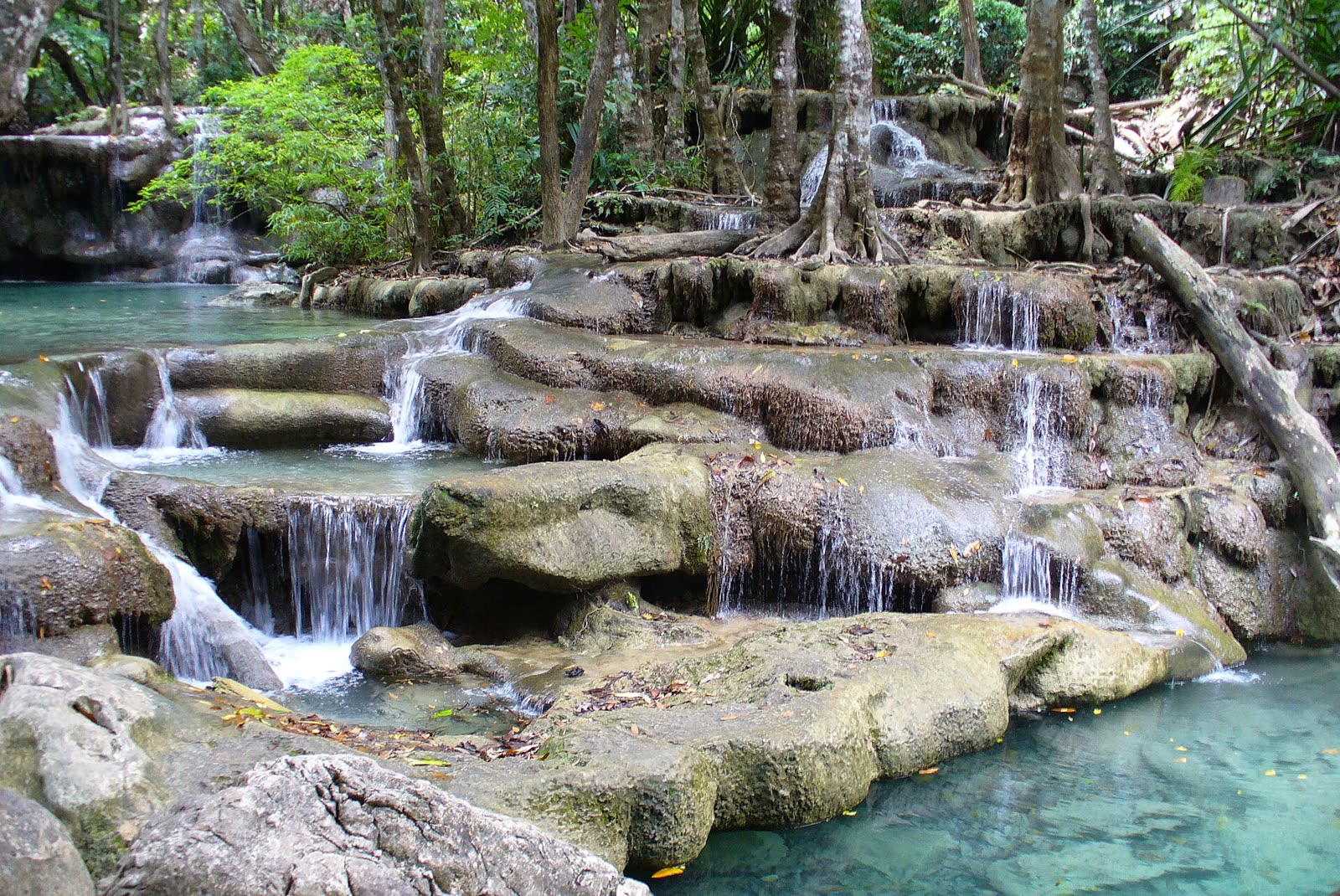
Thailand's problem is not finding things to do, it is filtering forty million visitors' worth of listicles down to the experiences that are actually worth your limited days. This guide is opinionated on purpose: what genuinely delivers, what is fine but skippable, and what you should avoid entirely.
Temples: pick few, go early
Temple fatigue is real by day three, so choose deliberately. In Bangkok, Wat Pho's reclining Buddha and Wat Arun at sunset earn their fame; the Grand Palace is spectacular but heaving, go at 8:30 when doors open. In Chiang Mai, ride up to Doi Suthep for the terrace view and spend an evening at the old town temples when tour groups leave. In Ayutthaya, a day trip from Bangkok, ruins spread across an island you can cover by bicycle. Dress code is enforced: covered shoulders and knees, everywhere.
Islands and beaches: match the season
The single most useful piece of trip planning in Thailand is matching your coast to the calendar. The Andaman side, Phuket, Krabi, Koh Lanta, is glorious from November to March and rain-lashed from May to October. The Gulf side, Samui, Phangan, Tao, runs on a different clock, with its wettest stretch October to December. April is brutally hot everywhere, softened only by Songkran's water fights in mid-April.
- Worth it: a longtail day around Phang Nga Bay's karsts, the Similan Islands by liveaboard, Koh Lanta's low-key west coast, and the viewpoint hike on Koh Nang Yuan.
- Fine but crowded: Phi Phi and Maya Bay, James Bond Island. Beautiful, and you will share them with flotillas. Book the earliest departure or skip.
- Base logistics: which island suits which trip is its own subject, covered in where to stay in Thailand.
Muay Thai: watch one fight, take one class
Even if you have zero fight background, an evening at Bangkok's Rajadamnern or Lumpinee stadium is Thai culture at full volume: live band, ritual wai kru, gambling section roaring. Tickets from about 1,500 THB. Then take a beginner class at a real gym, 300 to 500 THB, in Bangkok, Phuket or Chiang Mai; trainers are used to complete novices and it is the best sore you will ever pay for. Serious training camps are a reason people move here, and long Muay Thai study even qualifies for the DTV soft power visa, detailed in which visa for Thailand.
Food: the best free attraction in Asia
Treat eating as the main activity, not fuel between activities. Bangkok's Chinatown after dark, boat noodles at Victory Monument, khao soi in Chiang Mai, southern curries in Phuket Old Town: a 60 THB plate here routinely beats a 30 dollar plate at home. A morning market tour plus cooking class, 1,000 to 1,500 THB, is the single best value organised activity in the country and turns the rest of your trip into an open-book menu. Street food hygiene rule of thumb: eat where the queue is Thai and the turnover is fast.
Diving and snorkelling
Koh Tao remains one of the cheapest places on earth to get certified, around 10,000 to 12,000 THB for an Open Water course, with easy conditions and a huge school scene. Divers with logbooks should aim higher: the Similan and Surin islands, accessed by liveaboard from November to April, are the country's world-class sites, with whale shark and manta encounters at Richelieu Rock. The Gulf offers year-round easy diving; the Andaman offers the trophies.
Festivals worth planning around
- Songkran, mid-April: Thai New Year, in practice a nationwide water fight for several days. Chiang Mai's old town moat is the epicentre. Waterproof everything, expect transport chaos, and know that scooter accident numbers spike; ride nothing during the peak days.
- Loy Krathong, November full moon: candlelit floats on every waterway, and in Chiang Mai the Yi Peng lantern releases that fill the sky. The most beautiful night in the Thai calendar, book Chiang Mai rooms months ahead.
What to skip
- Tiger selfie parks and most elephant riding camps: the animal welfare record is grim. If elephants matter to you, choose an observation-only sanctuary and read reviews critically; "no riding" marketing sometimes hides the same old business.
- Gem and tailor detours: any driver or friendly stranger steering you to a gem sale or a suit shop is running the country's oldest scam. Wat Pho is never "closed today".
- Floating market coach tours: Damnoen Saduak at 10 am is a souvenir traffic jam. Go at dawn independently, or choose a smaller market like Tha Kha.
- Ping pong shows and the sleaziest strips: exploitative, overpriced, and frequently a bill-padding trap.
Build a trip that skips the traps
The free Thailand Handbook includes two-week and one-month itineraries matched to the seasons, the festival calendar, and the scam list to read on the plane.
Get the free handbookFrequently asked questions
How many days does Thailand need?
Two weeks covers Bangkok plus one coast properly. Three weeks adds Chiang Mai and breathing room. Under ten days, resist the urge to do both coasts; internal transfers eat half-days, and one island enjoyed beats three islands photographed. The current visa exemption gives most nationalities 60 days, more than enough, though a cut to 30 days is imminent.
Is Songkran worth planning a trip around?
If you like crowds and chaos, absolutely, it is unlike anything else in Asia. If you do not, treat mid-April as a week to avoid: transport sells out, prices rise, everything is wet, and April is the hottest month of the year on top. There is no neutral Songkran experience.
Which experiences justify a guide or tour?
Liveaboard diving, obviously. A first street food crawl with a local guide pays for itself in discoveries. Phang Nga Bay by private longtail beats the big boats for less than you expect. Almost everything else, temples, markets, islands with ferries, is easily and more enjoyably done independently.